Matthew worked across every phase of the Systems Engineering V-Model on Mantis, Taranis and PHASA-35, from requirements and design reviews through build, integration, test, airworthiness and release.
← Selected Impact
Systems engineering & airworthiness · During Senior Quality Controller tenure
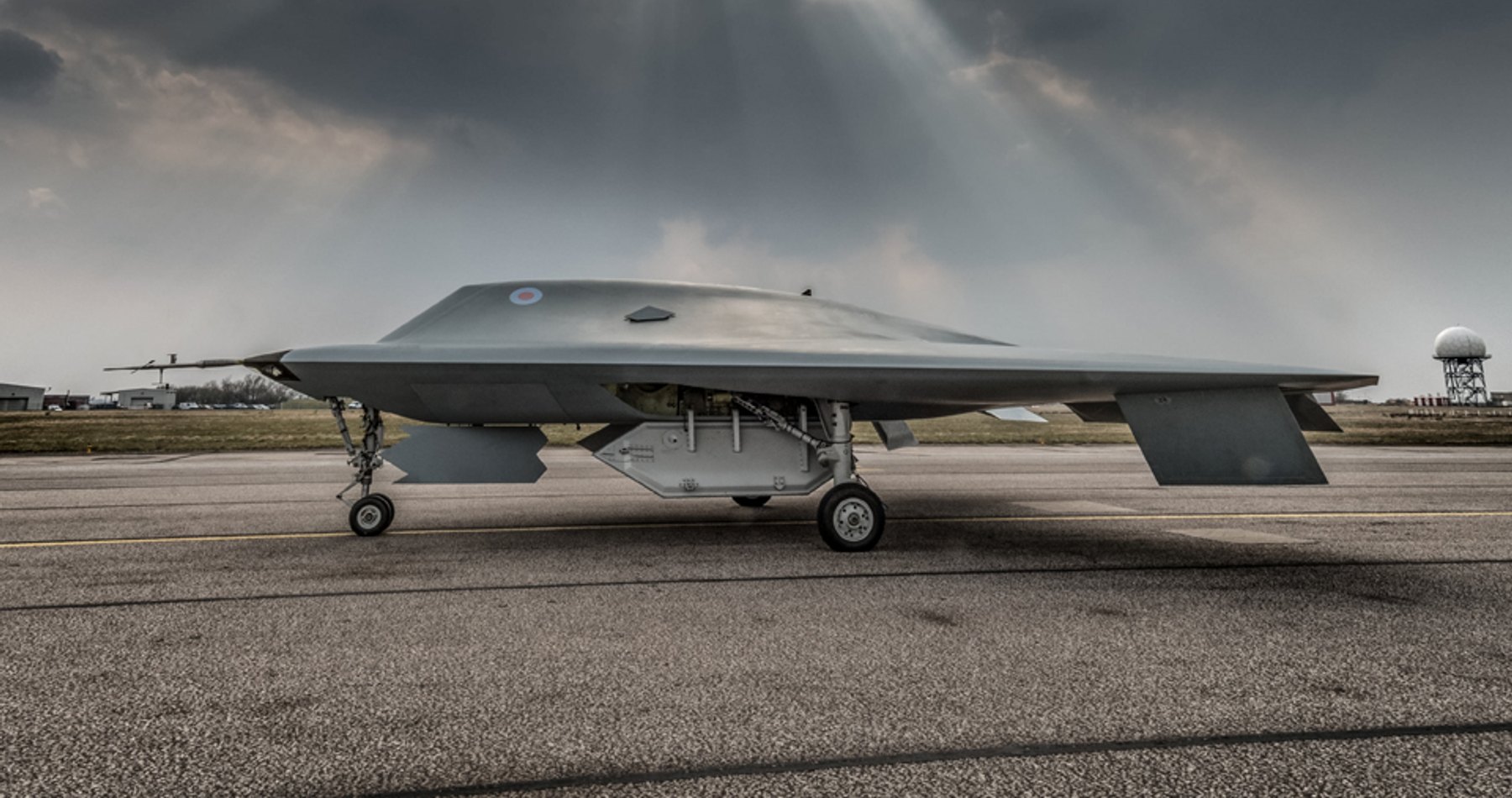
Delegated release certification for an £80m first-of-type stealth UAV
Matthew applied engineering assurance and delegated airworthiness across the full Systems Engineering V-Model, also known as the V-Cycle, on Mantis, Taranis and PHASA-35. His work covered requirements, design assurance, build, integration, verification, validation, flight readiness and aircraft release.
Evidence basisCareer record and delegated-authority evidence
Delegated authority
Why Category C mattered.
Delegated Category C authority placed personal responsibility on Matthew to assess the relevant conformity, configuration and airworthiness evidence before authorised release activity.
The work connected systems engineering, manufacturing quality, configuration control, verification evidence and delegated release authority across three advanced UAV programmes.
Matthew traced requirements into design and production evidence, controlled configuration and non-conformance, supported integration and test, assessed verification and validation evidence, and authorised release activity under delegated Category C authority.
Matthew's UAV work covered the full Systems Engineering V-Model. The V-Cycle links early requirements and design decisions with later integration, verification and validation evidence.
Across Mantis, Taranis and PHASA-35, Matthew worked from requirements and design assurance into build, configuration and product conformity. He then supported integration, test readiness, verification, validation, airworthiness and aircraft release.
This gave Matthew a broad view of how engineering decisions move through a programme. He worked with requirements, drawings, configuration, manufacturing evidence, non-conformance, inspection, test results, concessions, safety evidence and final release status.
For first-of-type activity, release decisions rested on objective evidence. Configuration, inspection, concessions, outstanding work, verification status and known safety-critical issues all formed part of the decision before aircraft release.
Key actions
- Requirements and planning: Matthew reviewed requirements, acceptance needs, traceability, technical risk and assurance evidence early in the lifecycle.
- Design assurance: He supported design reviews, configuration control, compliance checks and the flow of requirements into engineering definition.
- Build and configuration: He applied manufacturing quality, supplier assurance, inspection, product conformity, NCR, CAPA and configuration management.
- Integration and verification: He supported system integration, test readiness, inspection, verification evidence and closure against requirements.
- Validation, airworthiness and release: He assessed intended-use evidence, flight readiness and safety evidence, then exercised delegated Category C release authority where assigned.